Structural Pruning That Prevents Limb Failure
Weight Reduction Pruning in Sacramento and surrounding areas for trees with overextended or imbalanced canopies
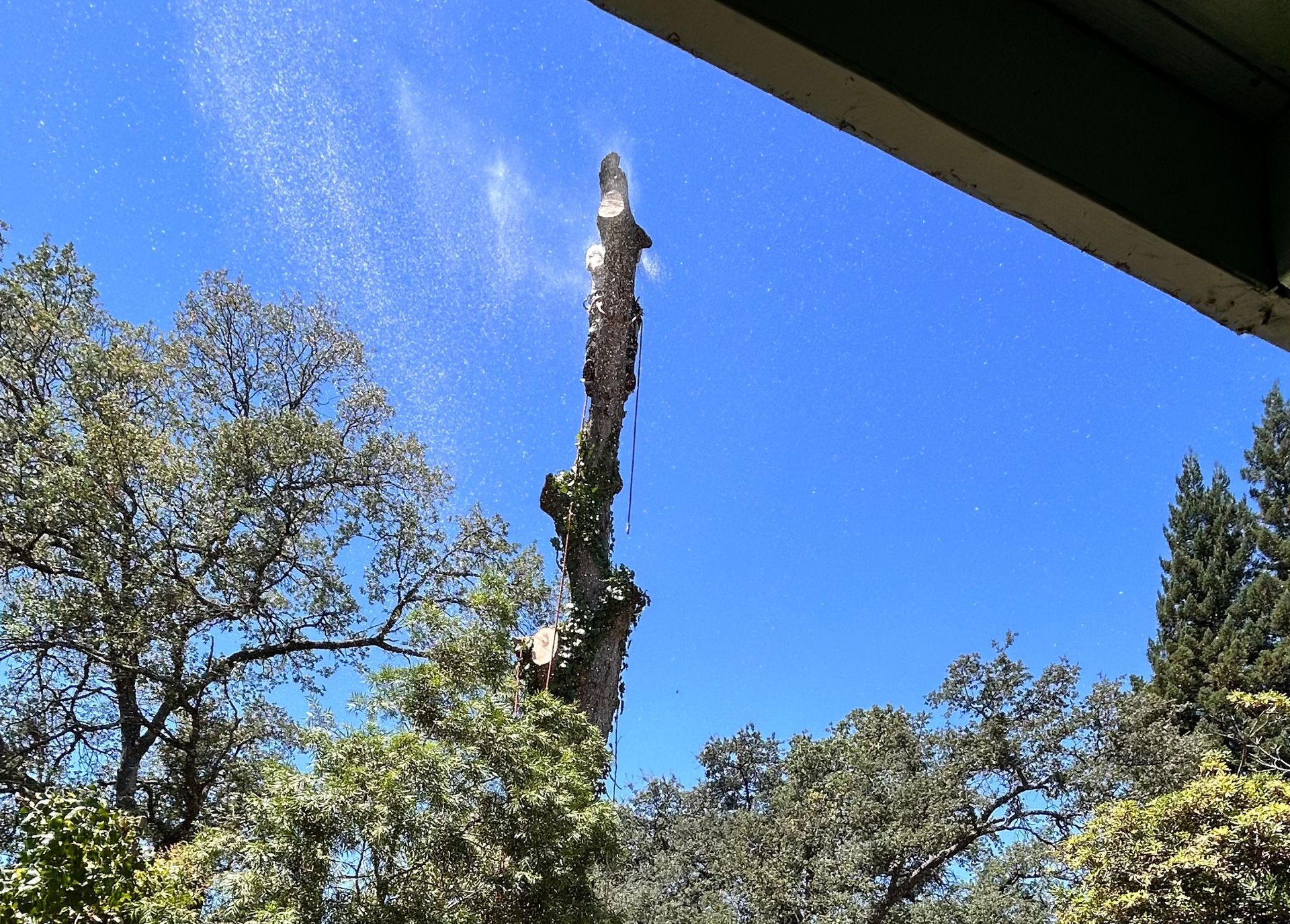
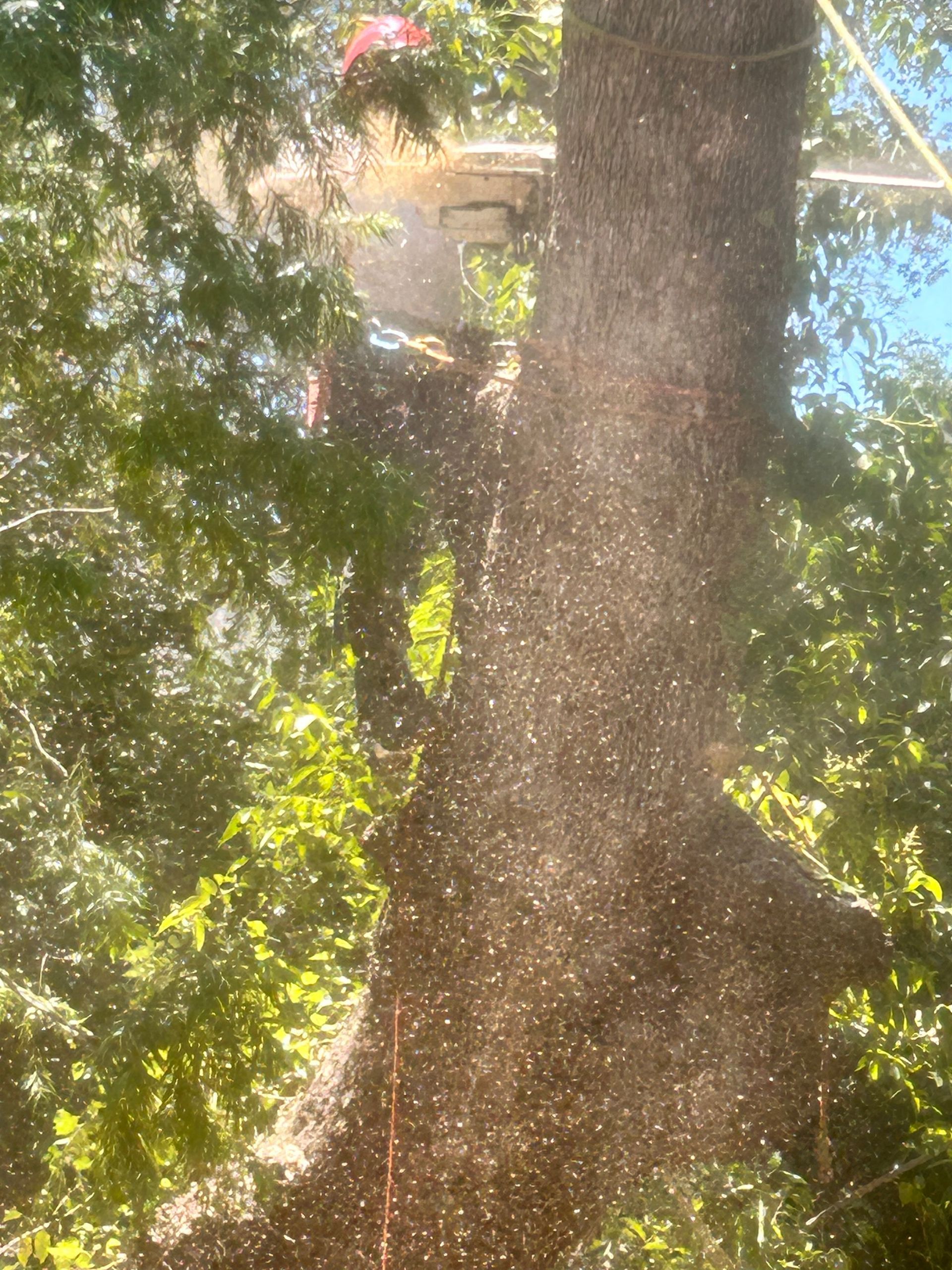
Limbs that extend beyond their structural capacity create leverage forces that exceed the wood's ability to support the load, particularly when summer heat causes wood fibers to expand and flexibility decreases. Weight reduction pruning removes mass from the outer canopy while preserving the tree's shape, reducing stress on branch unions and lowering the risk of splitting during high winds or when temperatures spike above 100 degrees for extended periods. Northern Valley Tree Service targets weight distribution issues across Sacramento properties where canopy architecture has become unbalanced or where previous poor pruning created weak growth patterns that now threaten structural integrity.
The technique involves shortening limbs back to lateral branches rather than leaving stubs, which redirects growth inward and reduces the sail effect that catches wind. Cuts focus on the outer third of the canopy where weight accumulates farthest from the trunk, decreasing moment arm forces without creating the rounded, unnatural appearance that results from indiscriminate topping.
Schedule a structural assessment to identify limbs that require weight reduction before they develop cracks or tear away from main scaffold branches.
Reducing canopy weight changes the physics of how wind and gravity act on the tree, lowering the torque applied to branch unions and allowing the trunk to support the remaining structure without flexing beyond its elastic limit. Pruning cuts are made at lateral branches that can assume the terminal role, which maintains the tree's natural taper and prevents the proliferation of weak sprouts that occur when cuts are made into older wood without viable growth points.
After weight reduction, the canopy appears lighter and more open, with improved spacing between major limbs that allows wind to pass through rather than pushing against a dense wall of foliage. The tree allocates energy toward thickening remaining branches rather than extending new growth, which builds strength in the existing framework and reduces future maintenance needs as the structure becomes more self-supporting.
This approach differs from topping, which indiscriminately removes upper canopy and triggers rapid regrowth of weakly attached shoots that actually increase long-term risk. Weight reduction preserves apical dominance while strategically lowering load, producing a stable result that lasts multiple years without requiring aggressive follow-up pruning.
What Clients Want to Know About Weight Reduction
Weight reduction pruning addresses specific structural concerns rather than simply making trees smaller, and understanding the difference helps property owners evaluate whether this service fits their situation.
What signs indicate a tree needs weight reduction?
Visible cracks in branch unions, limbs that droop significantly under their own weight, or previous storm damage where branches partially failed but remain attached all suggest that weight exceeds structural capacity and reduction is warranted.
How does weight reduction differ from regular trimming?
Weight reduction specifically targets load distribution and branch mechanics, focusing on leverage points and union strength rather than general canopy thinning or clearance from structures, which means cuts are planned around structural engineering principles rather than aesthetic goals.
Will the tree look significantly different after weight reduction?
The canopy becomes noticeably less dense and limbs appear shorter, though the tree retains its natural shape and species-specific growth habit because cuts follow the existing branch architecture rather than imposing an artificial form.
How often does weight reduction need to be repeated?
Trees typically require follow-up pruning every three to five years depending on growth rate and how aggressively weight was reduced initially, with faster-growing species needing more frequent attention as new growth adds mass back to the canopy.
Can weight reduction be done year-round in Sacramento?
Late winter through early spring remains optimal for most species, though weight reduction can be performed during summer when risk is immediate and waiting for ideal timing would leave the tree vulnerable through the hottest months when limb failure is most likely.
Northern Valley Tree Service evaluates branch architecture, identifies load concerns, and provides weight reduction pruning that protects structural integrity while maintaining the tree's appearance and health. Contact us to arrange an evaluation and review which limbs require attention based on your tree's current condition.